By Kumba Jagne
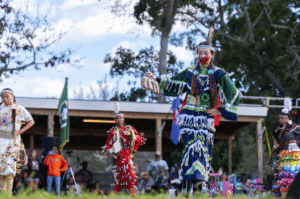
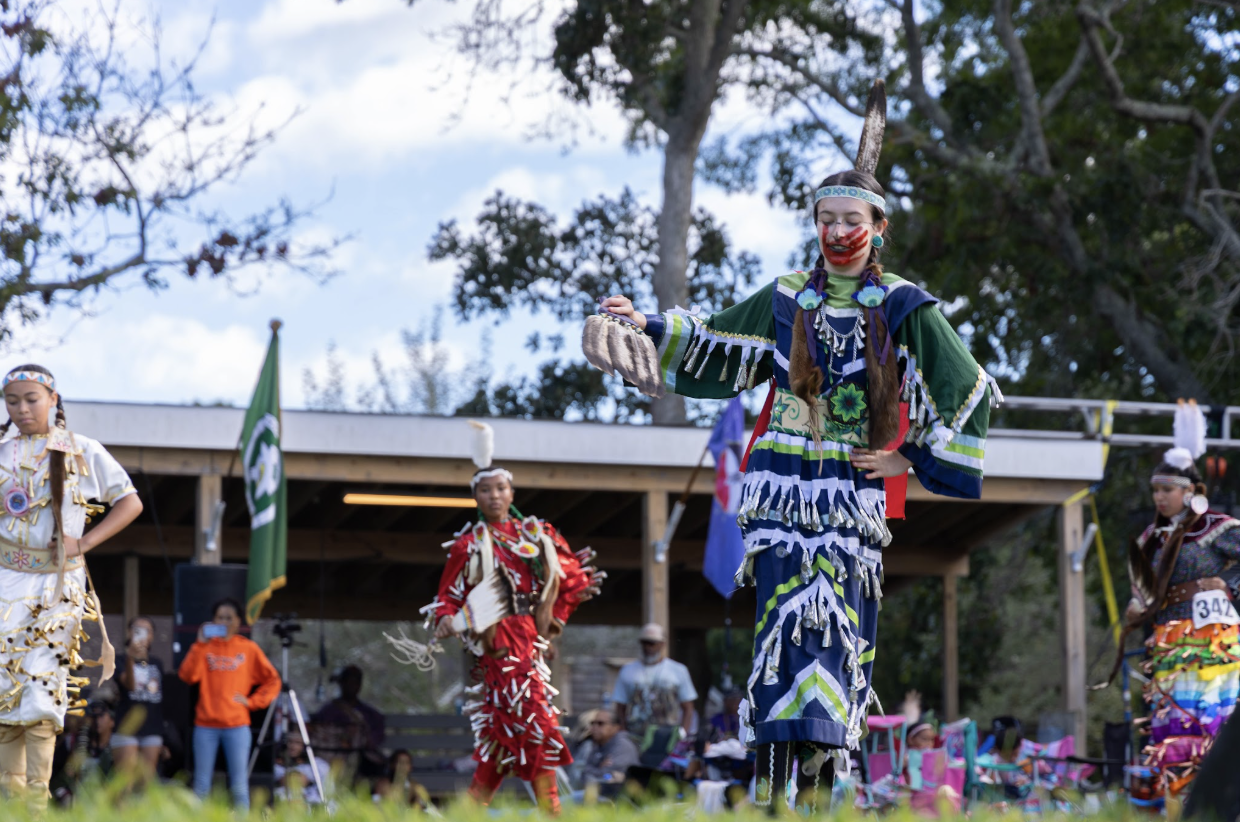
Among the pitter-patter of jingle dresses, heartbeat-like drumming and swirling regalia, Kaziah Robideau, spirit name Little Fish, danced with a blood-red handprint across her mouth, a symbol of Missing and Murdered Indigenous Women (MMIW).
In the midst of the Shinnecock 80th annual powwow, those who have been lost were not forgotten. While some, like Robideau, danced adorned with symbols of MMIW, others sang in a contest that brought awareness of the movement to a field full of onlookers.
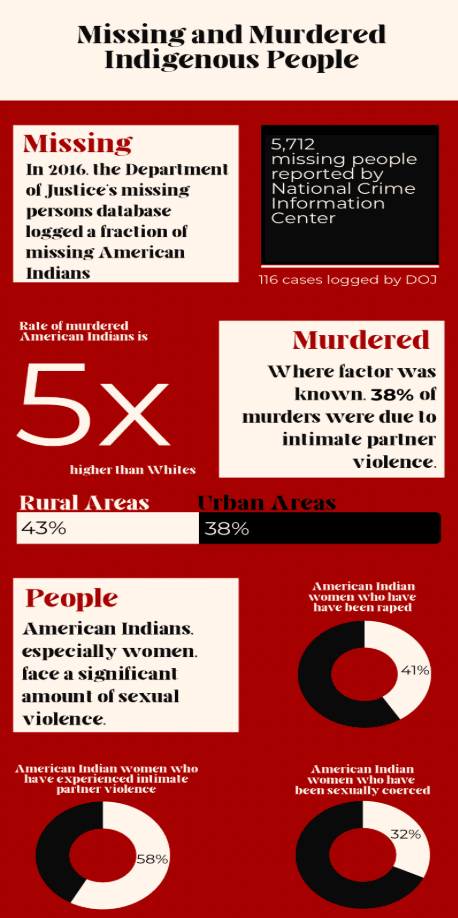
MMIW— sometimes Missing and Murdered Indigenous Women and Girls or Missing and Murdered Indigenous People— is a grassroots movement addressing violence toward American Indian women, including sexual assault, human trafficking and murder, according to National Indigenous Women’s Resource Center.
Conversation around MMIW has grown in recent years at the annual powwow, according to Lynda Hunter, an elder of the Shinnecock Nation who has attended 73 Shinnecock powwows. Nationwide, after the U.S. Senate passed a resolution to name May 5 MMIW Day, Google searches for the term shot up and have continued rising since.
Chenae Bullock hosted a contest special that called on women to sing in honor of MMIW to raise awareness for the cause and seek justice.
“The voice of that woman helps to heal all of us,” Bullock said. “There’s something about hearing a grandmother sing, a mother sing, an auntie sing, a little child sing. It does something to all of us.”
Lauren Merrick, who has attended the Shinnecock powwow since 2003, sang in the special. Powwows run so deep in her history that she joked she never went to school growing up because she was always powwowing.
Robideau grew up an all-star cheerleader. But after breaking her neck at 12 years old while cheering and then relearning to walk, she decided powwow dancing was a lower-impact way to express herself.
Her family endured four generations of Indian boarding school. Now she is the first in a long time to powwow dance. She often reminds herself that powwows were not protected under federal law until 1978.
“I have a lot riding on my back when I dance,” Robideau said. “But my aunties tell me I carry our family name well.”
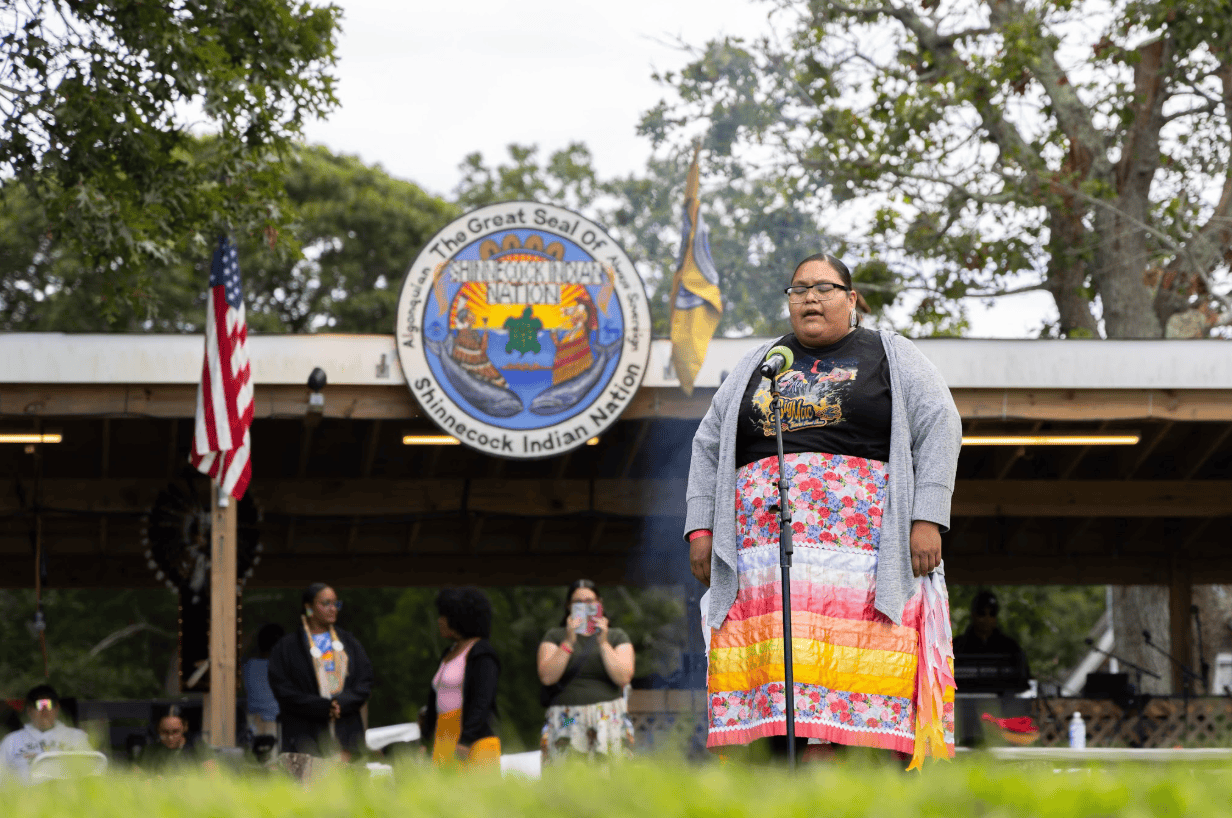
Robideau officially left cheerleading at 16 to begin powwow contest dancing. But she doesn’t dance to win. Instead, she focuses on “good medicine and good people.”
Robideau competed with a jingle dress dance, a traditional healing dance where rolled up tobacco lids strung across her dress replicate the sounds of rain.
“This is our healing dance,” Robideau said. “You’ll notice a lot of us are wearing red today, it is also our dance for our murdered and missing indigenous women to call them home.”
Hunter said that when she was younger, she could count the number of vendors at the powwow, but now tents sprawl across the complex. The platform where dancers compete has been expanded at least three times.
Robideau emphasized the importance of keeping conversations about MMIW at the forefront of the powwow’s activities, even with an increase in visitors.
“I make a joke that I’m like every tourist’s favorite museum piece,” Robideau said. “I’ll pose for a picture. I’m also going to talk to you about Indigenous sex trafficking.”
Robideau stains her hand red before pressing it onto her mouth to make the red handprint across her lips.
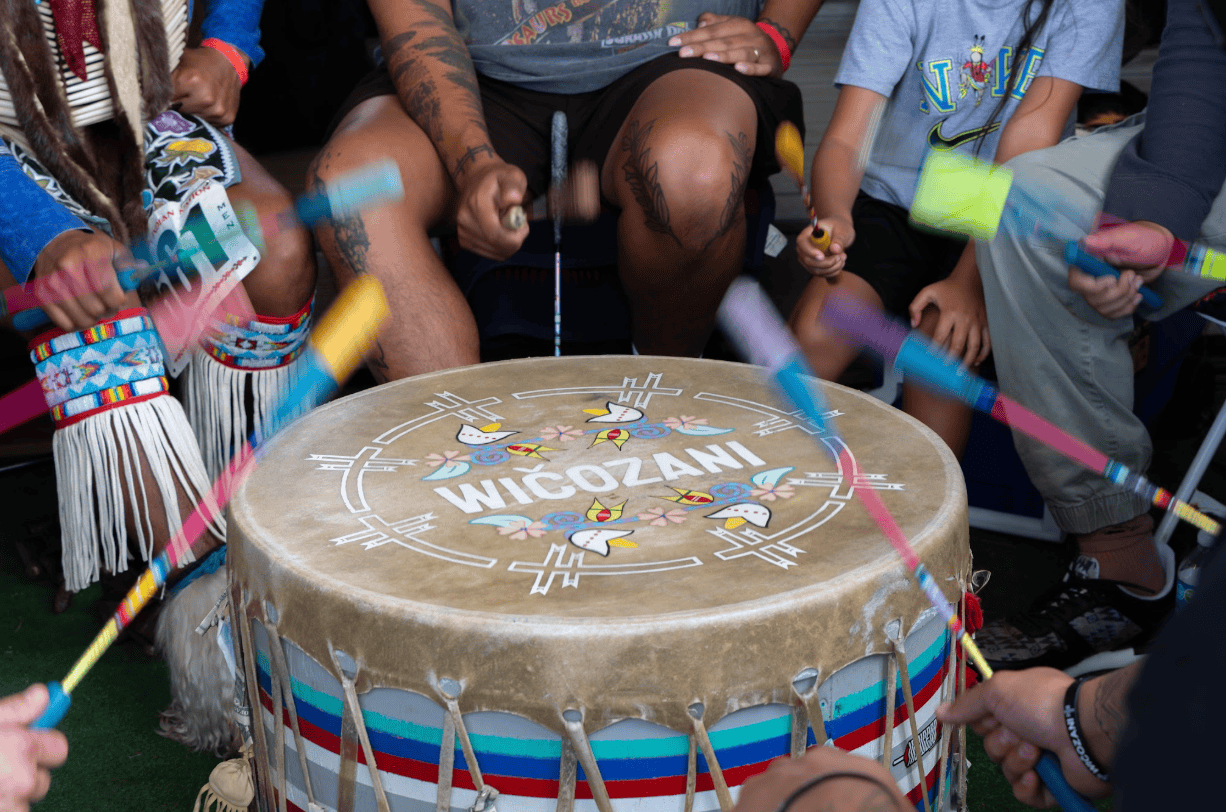
“This stains everything and that’s on purpose,” Robideau said. “I shake hands, you see red, you remember the blood of our children.”
Hunter said the rise in MMIW awareness at the Shinnecock powwows increased after 215 children were found in 2021 buried at a former Indian residential school in Canada. Many of those deaths were unaccounted for, according to the BBC.
These schools were a government-mandated system from the 1860s to the late 1990s that sought to forcibly assimilate Indian Americans into Canadian society. The United States operated the same system of American Indian boarding schools where a number of children were never heard from again, according to The National Native American Boarding School Healing Coalition.
“It takes all of us to come together to end that epidemic,” Bullock said. “So again, no more silence.”
Bullock encouraged the powwow audience to support the MMIW cause by engaging with local legislators and supporting the families of those who went missing or were murdered.