By Alex Walsh
Editor’s note: Part three in a series.
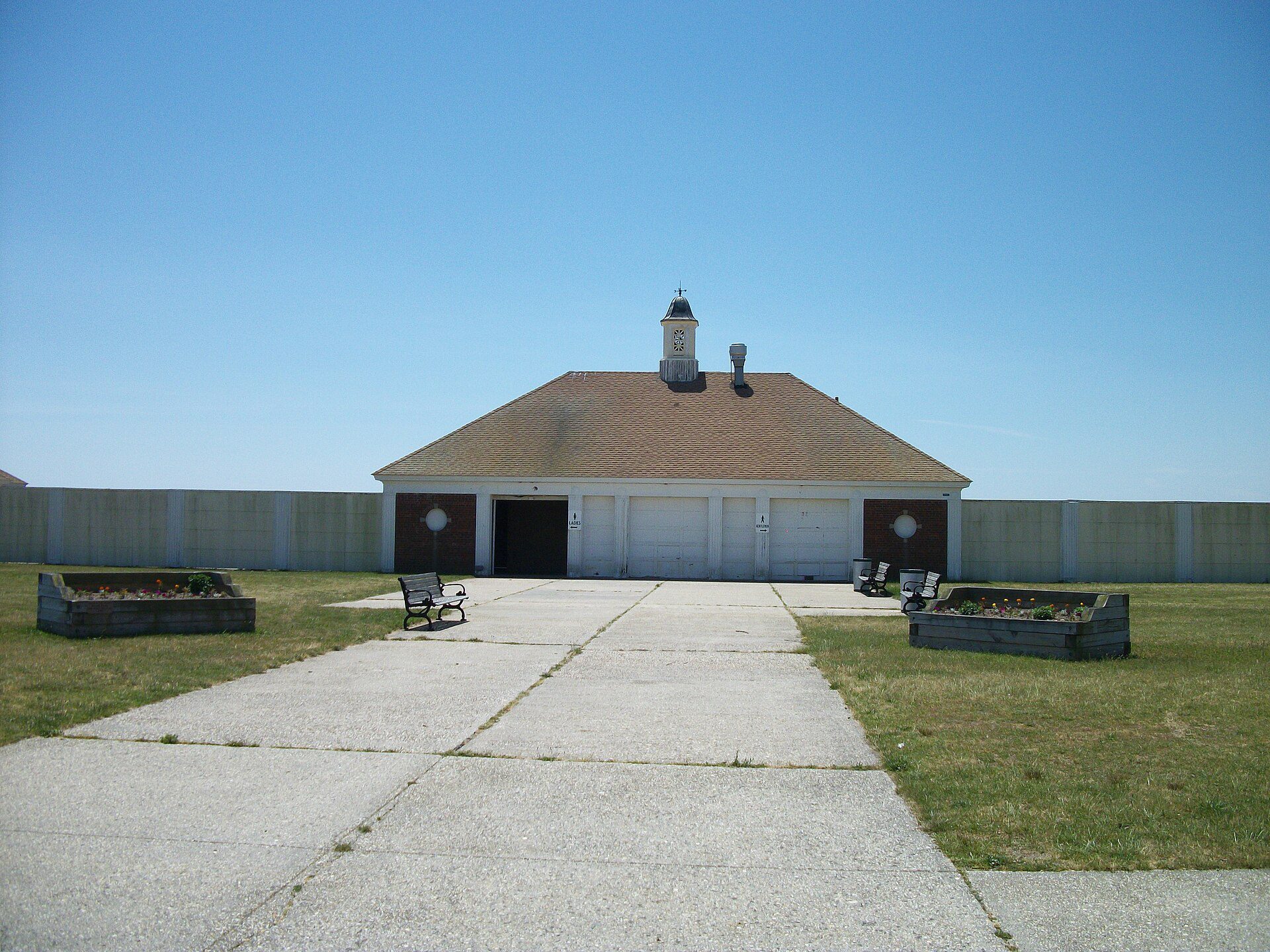
Many parks along Long Island’s coast felt the brunt of Superstorm Sandy in 2012, but few have suffered from the lasting impacts of the storm as severely as Heckscher State Park in East Islip.
“We’ve lost sand on the beach and anything on the sand. I had benches on the sand and a viewing deck. All of that is gone because of the narrowness of the beach now. I really don’t have anything on the beach except for a couple of benches really close to the walkway,” Park Director David Auguste told The Advocate.
Storm surge during the hurricane caused saltwater to reach inland areas in the park, including the picnic area in Field 6. “I have a lot of sycamore trees in that area, and over time, a lot of those sycamore trees, I’d say about 70% of them, died because they can’t handle the saltwater,” Auguste said.
Park officials chose not to restore the dunes after the storm, opting to leave them as they were naturally and not replenish them.
Superstorm Sandy’s impacts have lingered at parks across Long Island into 2026, with the coastline and wildlife still recovering. Many parks were able to rebuild damaged structures on the shores, but several still suffer from storm erosion.
George Gorman, Long Island regional director of the New York State Office of Parks, Recreation, and Historic Preservation, emphasized how the storm forced parks across Long Island to institute changes to avoid potential damage from future strong storms.
“When Superstorm Sandy hit, the tremendous amount of damage was a wake-up call for many Long Island municipalities, agencies like us. It kind of forced us to do planning because we could have a major storm like this in the future,” Gorman said.
In 2018, the Boardwalk Cafe reopened at Jones Beach. It was built 17 feet above sea level to ensure less floodwater could enter the building, leading to less damage overall when strong storms hit the beach.
The impact on shorelines
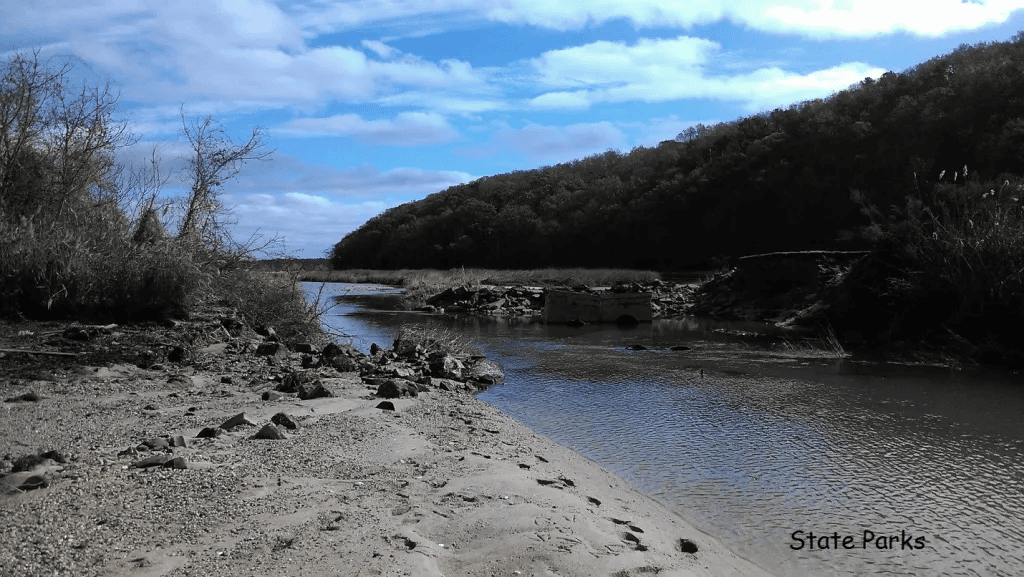
On the North Shore of Long Island, Sunken Meadow State Park, in Kings Park, went through a period of construction following damage due to flooding during the storm, and recovery is ongoing there to this day.
“The storm tides had washed out an earthen dam with culverts that separated the Long Island Sound from the Sunken Meadow Creek. The storm tides completely washed it away, and returned the creek to tidal flows,” former park director Sean Cruickshank said.
Because the creek turned tidal after the storm, fish have begun migrating into it, including species like alewife. With erosion as a lingering issue, park officials must monitor and react to a project that was completed last winter to address erosion on the southern shore of the Sunken Meadow Creek. Stone was laid to slow the process.
Phragmites grass was removed from portions of the creek and replaced with Spartina grass. “Spartina grass is native to the area. It stays healthy in brackish and salt waters, and it helps bind the shoreline together for further tides and storm resiliency,” Cruickshank said.
On the west side of the creek, a project is underway to restore the high marsh areas. “That project is first going to work on removing phragmites to try and bring back Spartina grass, and then we’re also going to look into dredging the center of the creek and add soils to the edges of the marsh to increase the height of the marsh, not only for storm resilience but also to create habitats for high marsh hawks,” Cruickshank said.
Gorman noted that parks like Sunken Meadow have “resistant shorelines” or “living shorelines” that consist of plant life that’s unlikely to be harmed by floodwaters that enter the park.
The effect on wildlife
The storm influenced aquatic and coastal wildlife, changing the way certain groups lived. Fish were affected due to the flooding and changing currents, displacing them.
Organisms that relied on the beaches faced challenges due to the dramatic changes on the coast. Hofstra Biology Professor Nicholas Santangelo cited that horseshoe crabs, turtles and other organisms that were negatively impacted by the storm. “Turtles, for a lot of the beaches that were affected where they go to reproduce, would change some of their reproductive patterns,” Santangelo said.
A major horseshoe crab habitat was at Plumb Beach next to Jamaica Bay. After the storm, the U.S. Army Corps of Engineers helped restore the beach, but human efforts may have affected the horseshoe crabs’ reproduction.
“What we noticed, we actually learned something significant about their reproduction from this, is that when [the Army Corps] rebuilt the beach, the horseshoe crabs didn’t go back to it for, like, two or three seasons, and then finally started going back to it,” Santangelo said.
“What they finally figured out was it probably had to do with the compaction of the sand, so when they put the beach together, it was too compacted for the horseshoe crabs to find a place they wanted to nest in,” he said.
The horseshoe crabs found their way to a nearby nesting area, but over time, they returned to Plumb Beach as it reverted closer to its natural state.
During the storm, inlets broke open into the Great South Bay, which meant different species of wildlife mixed together. “Some populations ended up mixing that they shouldn’t, but other populations, like the horseshoe crab population, were actually able to become more genetically diverse with other populations because they were able to get into the bay,” Santangelo said.
The professor said the long-term effects of this diversification are unknown, but there is already evidence of inlets closing off, meaning populations are reverting back to their previous state before the storm.