By Camryn Bowden
Noah Zaharia, a 26-year-old crisis counselor, sits at his computer in his Melville home office. Three monitors glow in front of him.
Then, his computer emits a rotary phone ringtone. It’s an alert: a call for help.
Zaharia never knows who will be on the other line. Some callers need someone to listen. Others are seeking help finding services or basic needs like housing and food. Some are in life-threatening crises. As he put it, people reach out for “a plethora of other reasons.” He only finds out when he opens the message.
He is one of nearly 300 counselors across Long Island who work with the Response Crisis Center of Suffolk County. He joined the center in 2023 while finishing a bachelor’s degree in criminal justice, seeking a way to help people directly. Growing up, he often told his father, “I don’t care what I do. I just want to make a difference in some sort of way.”
Today, that work takes place amid rising need for crisis services.
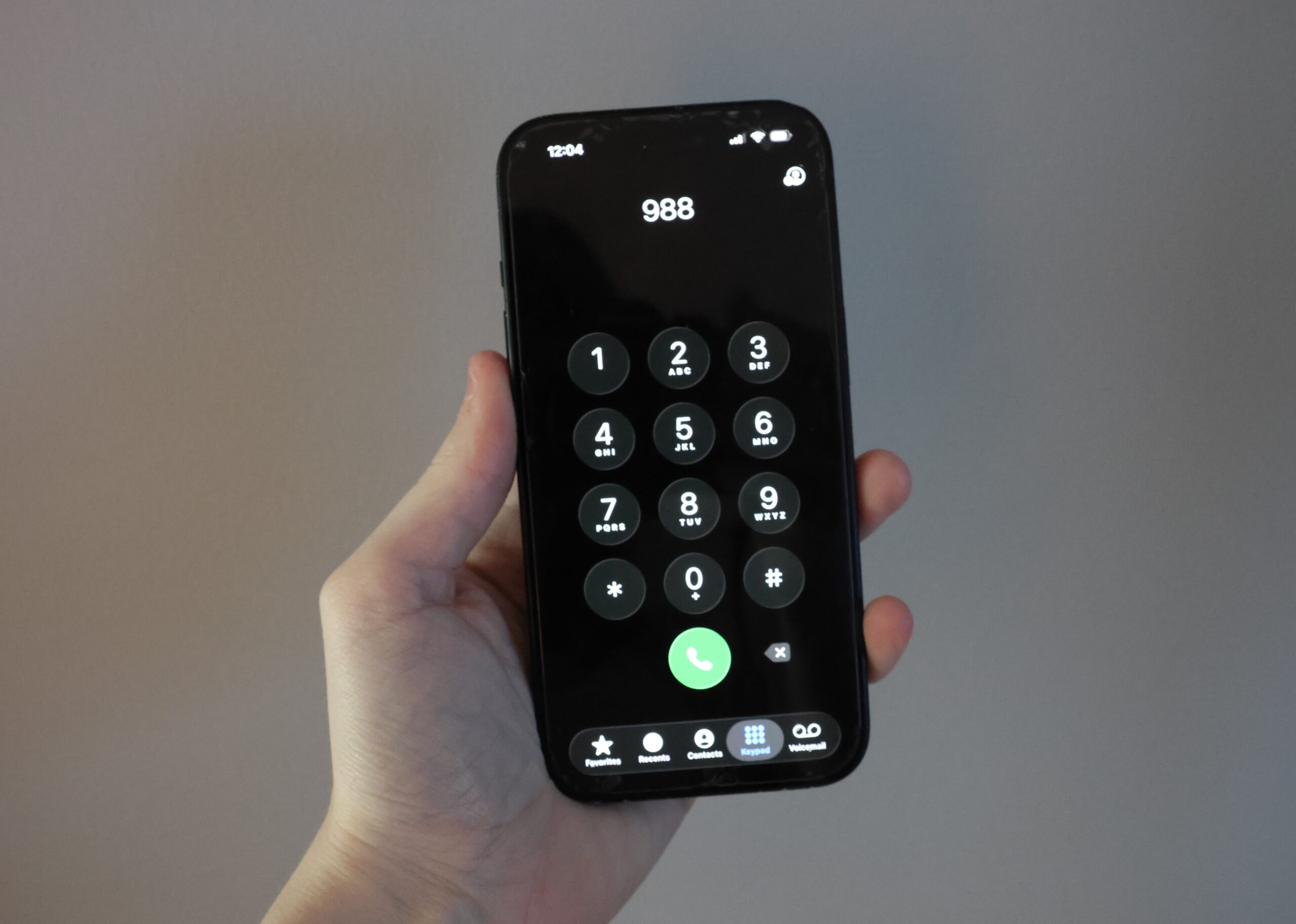
Launched in 2022, the 988 Suicide and Crisis Lifeline created a single three-digit number for mental health emergencies. Since its rollout, Response Crisis Center staff have handled a constant stream of conversations from Long Island and overflow calls from across New York, increasing pressure on staff.
Before the 988 system existed, crisis response relied on local hotlines staffed by volunteers. Meryl Cassidy, now the executive director of the Response Crisis Center of Suffolk County, first encountered that work as an undergraduate student at Stony Brook University, where she volunteered as a crisis counselor.
She recalled one overnight shift that began with a distraught father in crisis, crying over the loss of his son. As the call escalated, the man became increasingly agitated and threatened violence, saying he was going to “blow up Stony Brook Hospital,” which he blamed for his son’s death.
Cassidy stayed on the line for more than an hour, working to de-escalate the situation while her colleague Celeste coordinated behind the scenes. Eventually, crisis responders located him in the hamlet of Stony Brook, determined there was no immediate threat and reconnected him with his wife.
“I just remember being terrified in the moment,” she said, “and trying to use all my skills to just be present and connect with him and help him get some help.”
Moments like that reflect the kind of crisis intervention that continues today, even as the system has changed. While Cassidy answered that call as a volunteer counselor decades before the creation of 988, the same skills of listening, de-escalation and connection remain central to the work.
When the call comes
After 17 years in an office job, Kristen Rosselli, 39, sought work she felt would make a difference. Now a full-time counselor, she begins her overnight shift by logging into the center’s systems and waiting for a call.
One conversation has stayed with her.
The caller was a young man struggling with severe childhood trauma and suicidal thoughts. He repeatedly insisted that ending his life was the only way out.
Then, unexpectedly, he asked Rosselli a question: What was her favorite movie?
Caught off guard, she answered honestly: “The Sandlot.”
Looking back, the conversation was less about the movie than the connection. Rosselli continued to listen, validating his experiences and remaining present with him through the crisis. By the end of the call, she asked whether he felt he could stay safe for the night.
“Ma’am, because of you, I’m going to keep going,” he replied.
“In crisis work, you don’t always know what happens after a call ends,” Rosselli said. “But in that moment, I knew I had made a difference.”
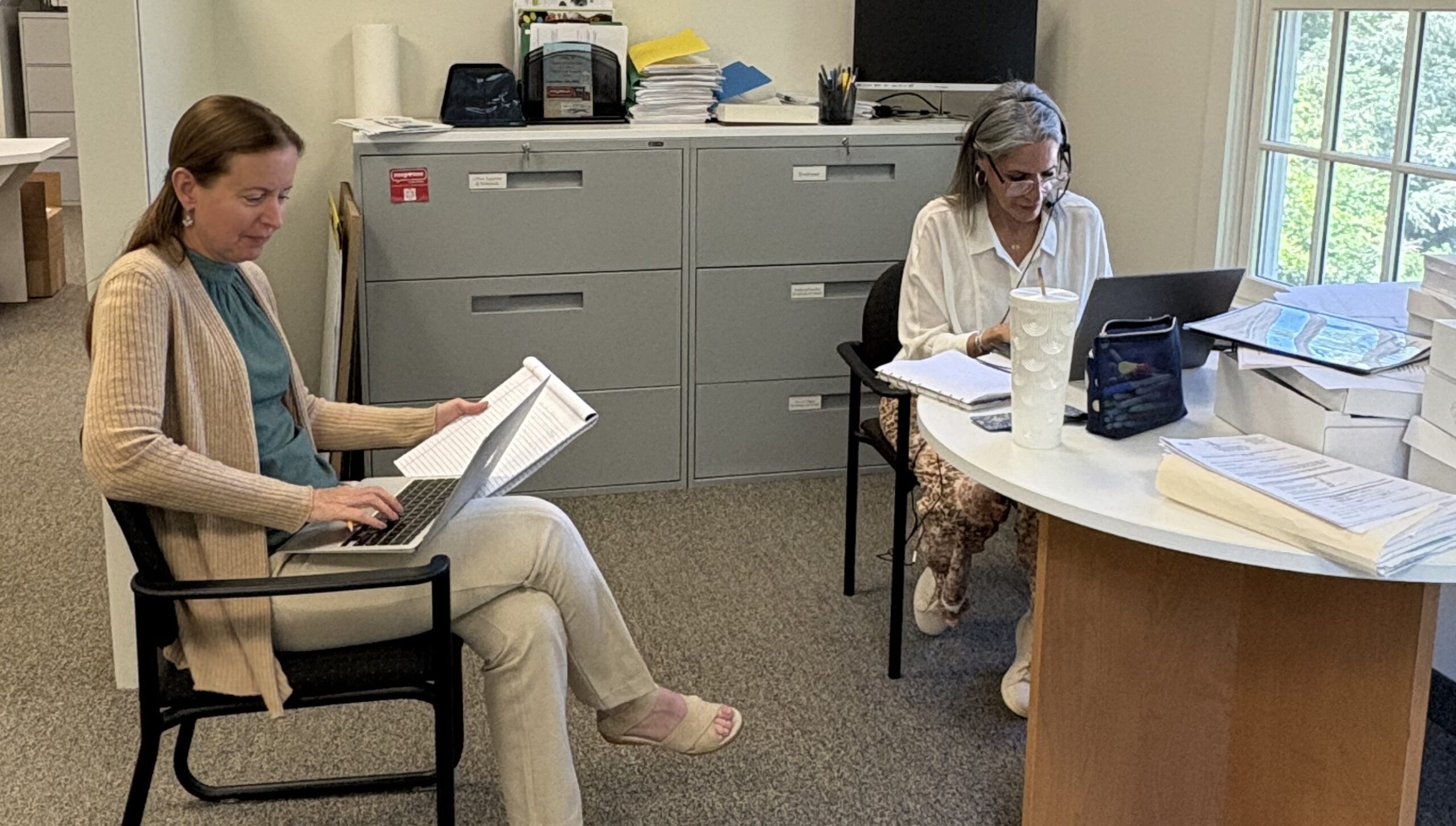
Conversations like that are what counselors prepare for before taking their first call. While no two help seekers are alike, staff complete training in crisis theory, communication skills and active listening, reviewing simulated interactions “from start to finish,” Associate Executive Director Lorraine Peragallo said.
“We do scaffolding,” Crisis Services and Operations Director Erica Mbasan said. “We don’t expect someone to be an expert crisis counselor their first day on. We really come alongside them and build those skills up over time.”
That support continues after training. Peragallo said counselors are “not allowed to be alone here.” During intense interventions, counselors can request a “barge” from leadership.
“Barge means ‘get on this with me,’” she said. “That’s not a sign of weakness or lack of skill. It’s a sign of knowing that this is the time to ask for support.”
Even with extensive preparation, however, nothing fully replicates a live conversation.
For new counselors, the first call can be intimidating.
“I can say that I was terrified about taking my first suicide call,” said Jane Schoch, a counselor and member of the community education team.
Sitting in the attic office of the North Shore Montessori School, where the center was then based, Schoch was surrounded by fellow volunteers when the call came through.
On the other end of the line was a help seeker attempting suicide. Afraid she might say the wrong thing and make the situation worse, Schoch leaned on her training, listening intently and helping the caller de-escalate.
“When I got off that first solo suicide call and had been able to de-escalate the situation, I was physically shaking from nerves,” she said.
And as she sat there, still shaking from the call, the counselors around her began to leave their desks.
One by one, they came over to congratulate her, and give her a hug.
The experience affirmed why she had joined the center. After retiring from a career in education, she sought a way to continue helping others. Years earlier, she attended the funeral of a student who died by suicide.
She still remembers watching the boy’s mother being carried into the church by family, overcome with sorrow.
“I guess that is an image I will never forget,” she said. “I hope that I can help other families not have to experience this pain.”